Flagship species
Matuku-hūrepo
Australasian bittern
A shy wetland bird, more often heard than seen. The matuku-hūrepo is the flagship species for our work.

Our work
Native bush feeds and shelters the birds of Mahurangi West. We study the birdlife, restore the habitat it depends on and look after what has been restored.
Why habitat matters
Native trees and shrubs feed birds and bats with fruit, nectar and insects, and give them somewhere to roost and nest.
Climbing asparagus, moth plant, wild ginger and woolly nightshade crowd out young natives and choke the canopy.
Clear the weeds and plant natives, and the bush can regrow. As it does, the birdsong comes back.
Understand
We have 20 bird monitoring stations across the peninsula. Each season around 20 volunteer counters spend half an hour at each one, recording every bird they see or hear.
Our counters were trained in December 2020 by Ngaire Wallen of the Takatu Landcare Group. The counts go to eBird, run by the Cornell Lab of Ornithology, and on to the New Zealand Bird Atlas. They are also recorded in Trap.NZ.
Kākā are back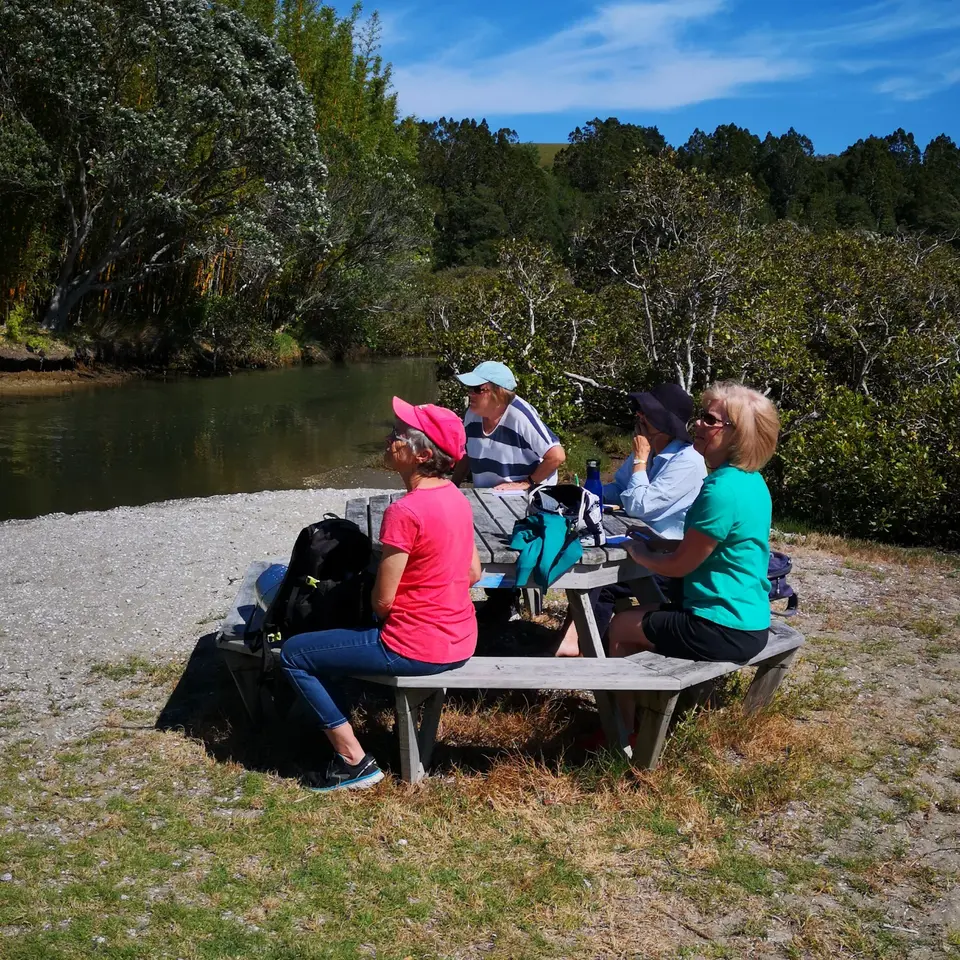
Flagship species
Australasian bittern
A shy wetland bird, more often heard than seen. The matuku-hūrepo is the flagship species for our work.
Pekapeka
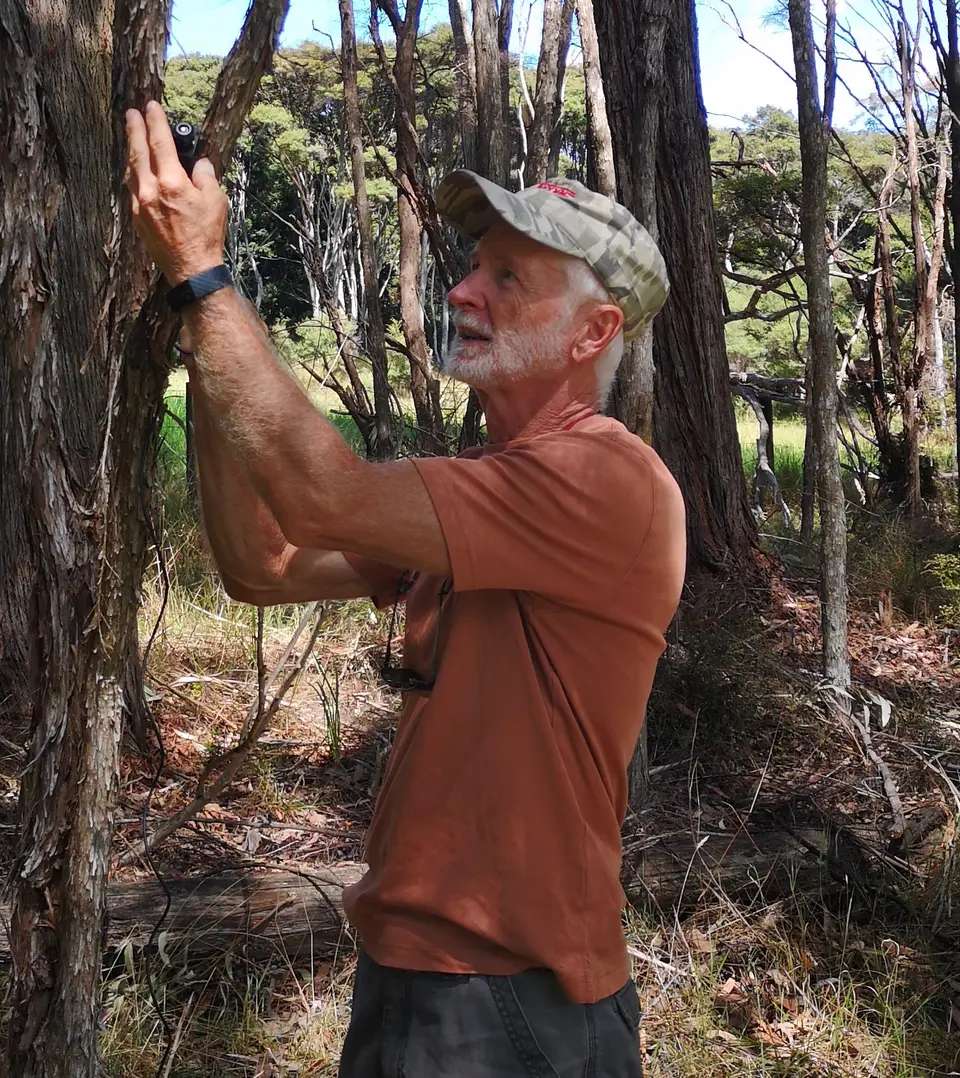
With a grant from Auckland Council we use acoustic listening devices to find pekapeka-tou-roa (long-tailed bats) on the peninsula, so we can help protect them and their roost trees.
Read moreNew in 2026
Our first project under a three-year partnership with Auckland Council. Volunteers adopt a stretch of the Mahurangi West coastline and monitor it through the breeding season.
Restore
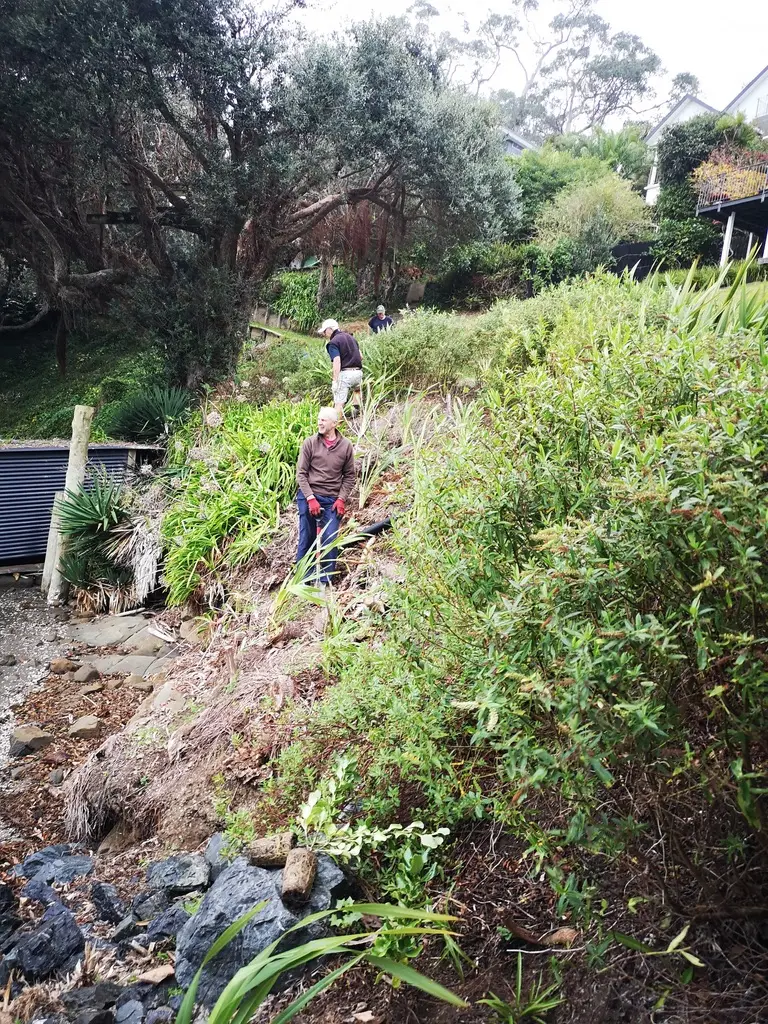
Volunteers, landowners and whānau clear pest plants and replant with natives, so the bush can regrow.
Volunteers plant natives along the coast, from the Jamieson Bay esplanade to Huawai Bay.
Clearing invasive weeds and unwanted trees, then replanting with natives. More than 60 people planted about 1,300 natives at one working bee.
Pine removal and native planting at Jamieson Bay, supported by a 2021 Rodney Healthy Harbours grant.
Replanting road edges at Opahi Bay and along Mahurangi West roads.
One hour of weeding, mulching and watering young natives, alongside your neighbours.
Pest plants
The buffer zone is the 500 metres around Mahurangi Regional Park. Pest plants here spread into the park, so they need controlling on the land around it too.
We help landowners in the zone control climbing asparagus, moth plant, woolly nightshade and wild ginger, with advice and hands.
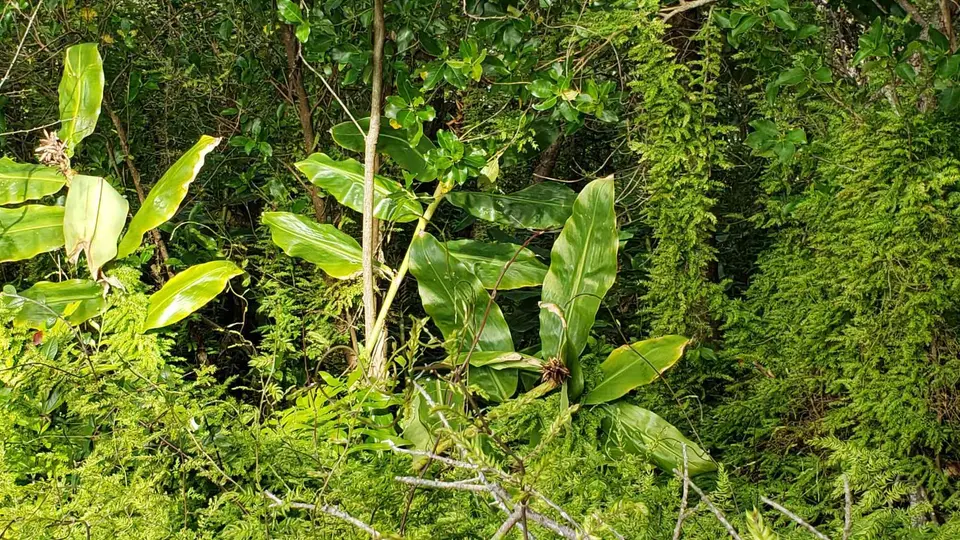
Wild ginger and climbing asparagus. Photo: Allison Milne
Protect
Restored bush needs care for years. We work with Auckland Council so the gains last, inside the regional parks and across the private land around them.
A memorandum of understanding with Auckland Council to restore and protect Mahurangi West and its regional parks.
Working with Auckland Council and landowners to keep pest plants out of Mahurangi Regional Park.
Bird counts and coastal monitoring show how restored areas are doing year after year.
pest catches since 2019